The Cases 3 cases in detail · 12 LATAM markets · confidential by default

Real cases. Decisions that changed the outcome.

We don't hand you raw data. We hand you the read. Three real cases with defensible numbers, one publicly authorized, two anonymized under NDA.

+405%
Organic engagement generated for Uber × Colapinto, the case with authorized public disclosure.
Real cases · decisions we enabled

Three real engagements with defensible numbers. One with authorized public disclosure, two anonymized under NDA — the figures are the ones we measured.

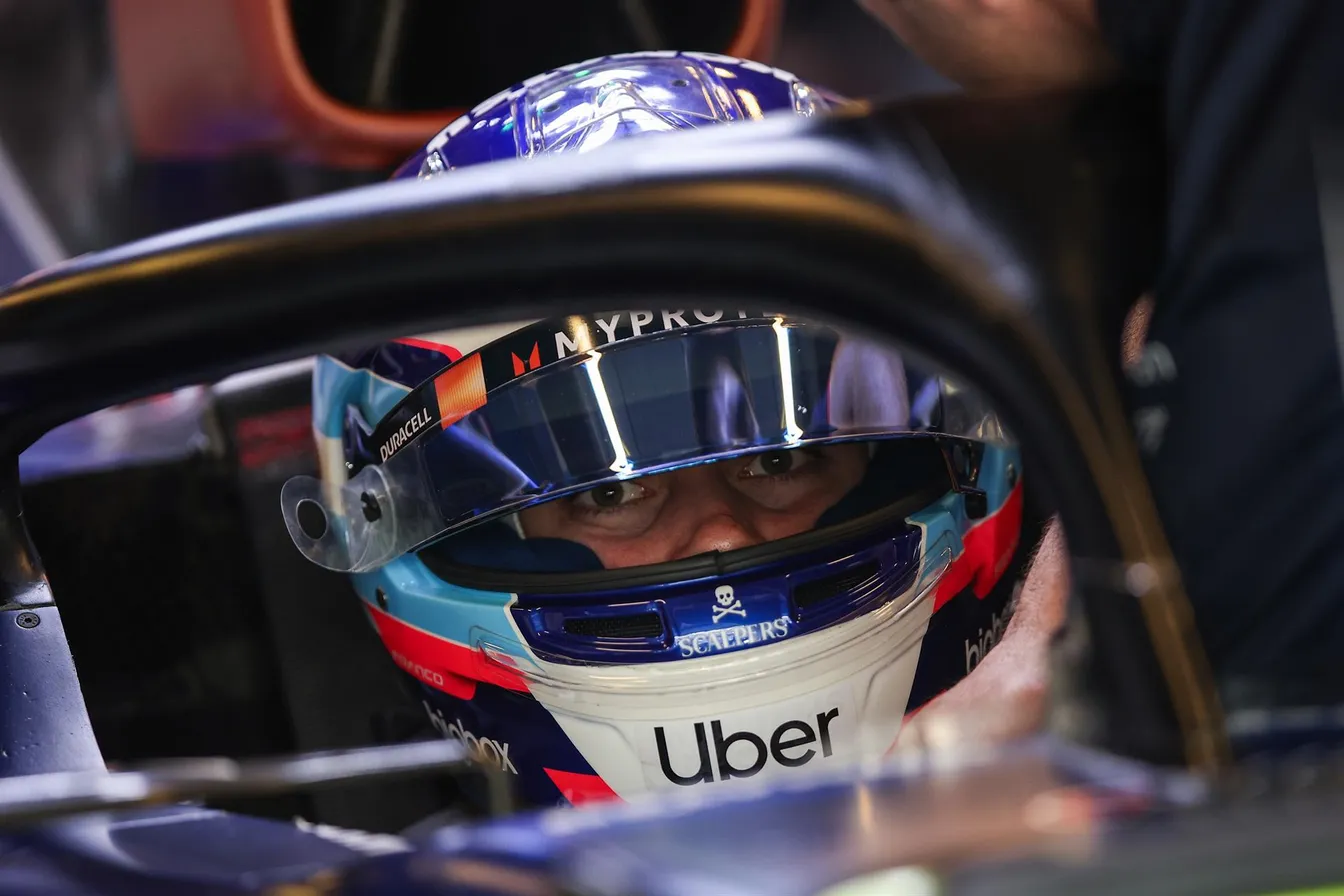
Franco Colapinto in the cockpit with an Argentine helmet and Uber on his chest · Formula 1 2024
01
Conversational intelligence Argentina Oct–Dec 2024 Public disclosure

Uber × Colapinto: squeezing every drop out of a sponsorship with no budget to amplify

The challenge

Uber sponsored Franco Colapinto in his breakout into Formula 1. The investment consumed the bulk of the year's budget: there was no room left for paid campaigns. We tracked Uber and Colapinto's other 5 sponsors in parallel, race by race (6 races, from Austin to Abu Dhabi), to read what was working — and which traps to avoid — before the next one.

The result
+405%
change in mentions after adjusting the focus between races (Las Vegas → Qatar).
Las VegasBaseline · Nov 21–25
34%share vs. sponsors
43%positive sentiment
267Uber + Colapinto mentions
109Kengagement

#1 in mentions thanks to the creative, but within a generally low-conversation context.

QatarAfter · Nov 28–Dec 2
49%share vs. sponsors
71%positive sentiment
1,349Uber + Colapinto mentions
+405%change vs. previous race

After adjusting the focus (giveaway + sustaining the voice in the app), a clear leader with record positive sentiment.

The decision
Adjust the focus between races: prioritize Colapinto's voice in the app and participatory activations (a giveaway to meet the driver). Uber doubled its share and tripled its positive sentiment with zero paid spend, deciding during the season, not after.
The proof

“An extremely high-impact collaboration. The reports were clear and deep, the deliverables exceeded expectations, and we managed to represent the return on investment.”

Mariana Muntz
Mariana Muntz Head of Marketing South Cone, CAM & Caribbean · Uber
Beverage aisle in a supermarket, mass consumption under pressure
02
Reputational intelligence Mexico Feb–Apr 2025 NDA

Global beverage brand × a «made in this country» campaign that turned it into a boycott target

The challenge

A government launched a «made in this country» campaign that put a global beverage brand at risk of becoming the symbolic target of a boycott. We consolidated several sources — social, owned profiles and paid media — into a single view to measure its real exposure, week by week. Of 283K campaign mentions, 22.8K pointed directly at the brand (8% of the conversation).

The result
4,050
negative comments generated by the highest-reach post (25M views). Positive: 153. Reach is not connection.
The creative

Three campaign sub-angles, three different results. The creative angle defined the effect on perception.

Institutional

Hard data: investment, jobs, contribution to GDP.

89%negative
3.7%positive

Perceived as corporate and defensive: drives rejection.

Local story

Voices of neighborhood shopkeepers, stories from the street.

77.5%negative
4.4%positive

Better, but opens debate on profitability and water use.

Emotional Winner

Cultural narrative, without centering on the brand.

49.2%negative
26.8%positive

The only axis with substantially less negative sentiment.

The decision
Pull the campaign early, before pouring more into pieces that were accelerating the damage. The read showed the institutional angle was 89% negative, the local story 77%, and only the emotional one («national pride») dropped to 49%. And that reach deceives: the most widely distributed post — 25M views — generated 4,050 negative comments and 153 positive ones. Reach is not connection.
Skincare ritual, serum application, K-Beauty trend
03
Strategic anticipation Chile Trend analysis NDA

Global beauty brand × passing fad or paradigm shift?

The challenge

K-Beauty entered Chile as a cultural frame, not as a product: via K-pop, K-drama and TikTok, before the first sale. The audience — 93% female, mostly under 30 — already had the ground prepared, and the vocabulary («Korean routine», «glass skin») changed before the product did. The brand needed to know whether to react or get ahead. We measured the structure of the conversation, not market share.

The result
16×
more engagement generated by a nano-influencer (6.8K followers) than a macro one (609K). Reach does not predict impact.
Who moves the trend

Three profiles, three audience tiers, results that invert intuition.

Macro
  • Followers609K
  • Views536K
  • Engagement11.1K
0.018engagement / follower
Micro
  • Followers96K
  • Views22K
  • Engagement1.5K
0.016engagement / follower
Nano Outlier
  • Followers6.8K
  • Views11M
  • Engagement181K
26.6engagement / follower
The decision
They weren't abandoning their brands: they were adding. Users keep their usual cleanser and incorporate K-Beauty actives in serums and creams. It's not replacement, it's layering: each step of the routine becomes a distinct front. The recommendation: defend by category, not by brand, and get ahead by 6 to 12 months — before the trend shows up in sales, while there's still time to shift the portfolio and activate creators.